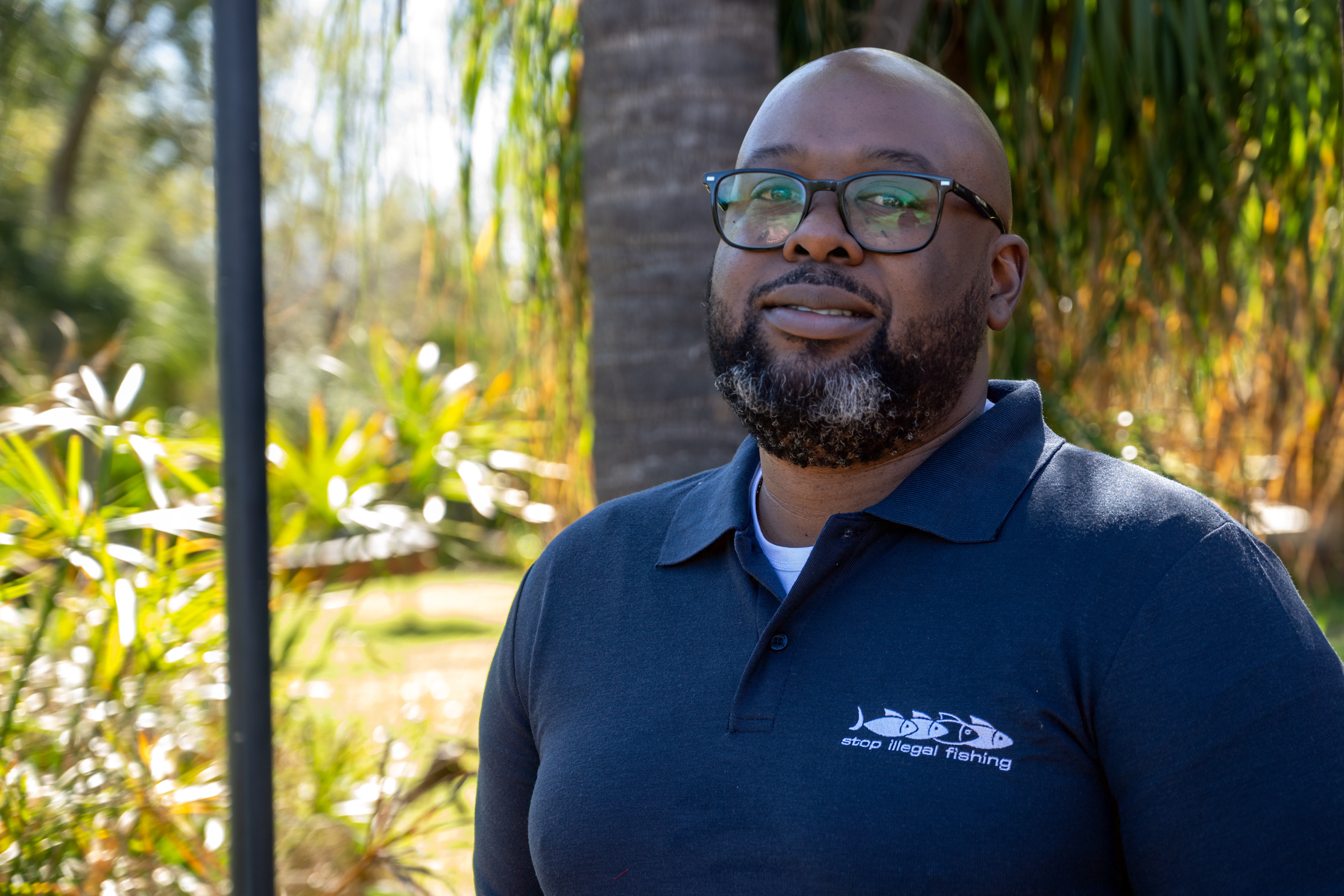
Mark Ssemakula
Chairperson
Mark Ssemakula is a sustainable development and natural resource management professional with extensive experience in biodiversity conservation, fisheries, and regional governance. He has worked across public, private, and non-governmental sectors, supporting programmes that balance environmental protection with inclusive socio-economic development.
Mark has held roles including Forest and Range Resources Officer with Botswana’s Ministry of Environment and Tourism and Programme Manager with the UK Department for Environment, Food and Rural Affairs, where he supported conservation and livelihoods initiatives in the Kavango-Zambezi Transfrontier Conservation Area. He has also worked on fisheries research, analysis, and regional natural resource programmes. As Chairperson of Stop Illegal Fishing, Mark contributes to strengthening collaborative African responses to illegal, unreported and unregulated fishing. He holds an MSc in Environmental Science, an Honours degree in Fisheries and Aquatic Sciences, and a BSc in Natural Resources, as well as professional certifications in project management and sustainable finance.
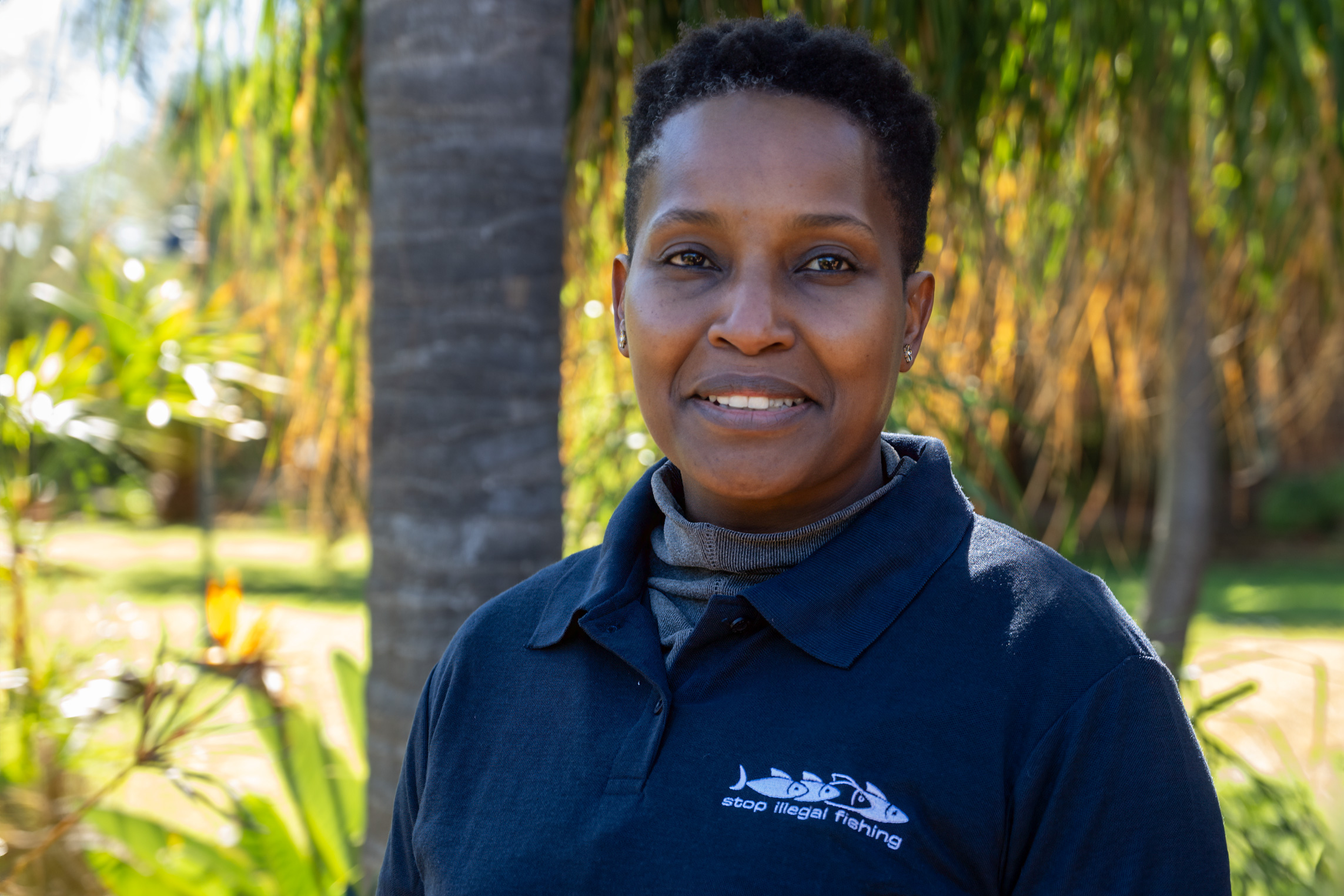
Elsa da Gloria Patria-Nyambe
Vice‐Chairperson
Elsa da Gloria Patria-Nyambe is an experienced fisheries and blue economy professional with more than 18 years of technical and management experience. Her work covers marine and freshwater fisheries, aquaculture, biodiversity, climate change, and action against illegal, unreported and unregulated fishing.
Elsa previously served as Chairperson of Stop Illegal Fishing from 2016 to 2021. Her experience includes policy development, project coordination, technical assistance to Member States, monitoring and evaluation, resource mobilisation, stakeholder engagement, and the organisation of regional and international meetings. She has represented government and regional institutions in a wide range of fora and has contributed to assessments, reports, research, and advocacy. With an academic background in chemistry, biology, and a master’s degree in environmental management, Elsa brings strong technical knowledge, leadership experience, and a commitment to regional cooperation in fisheries governance.
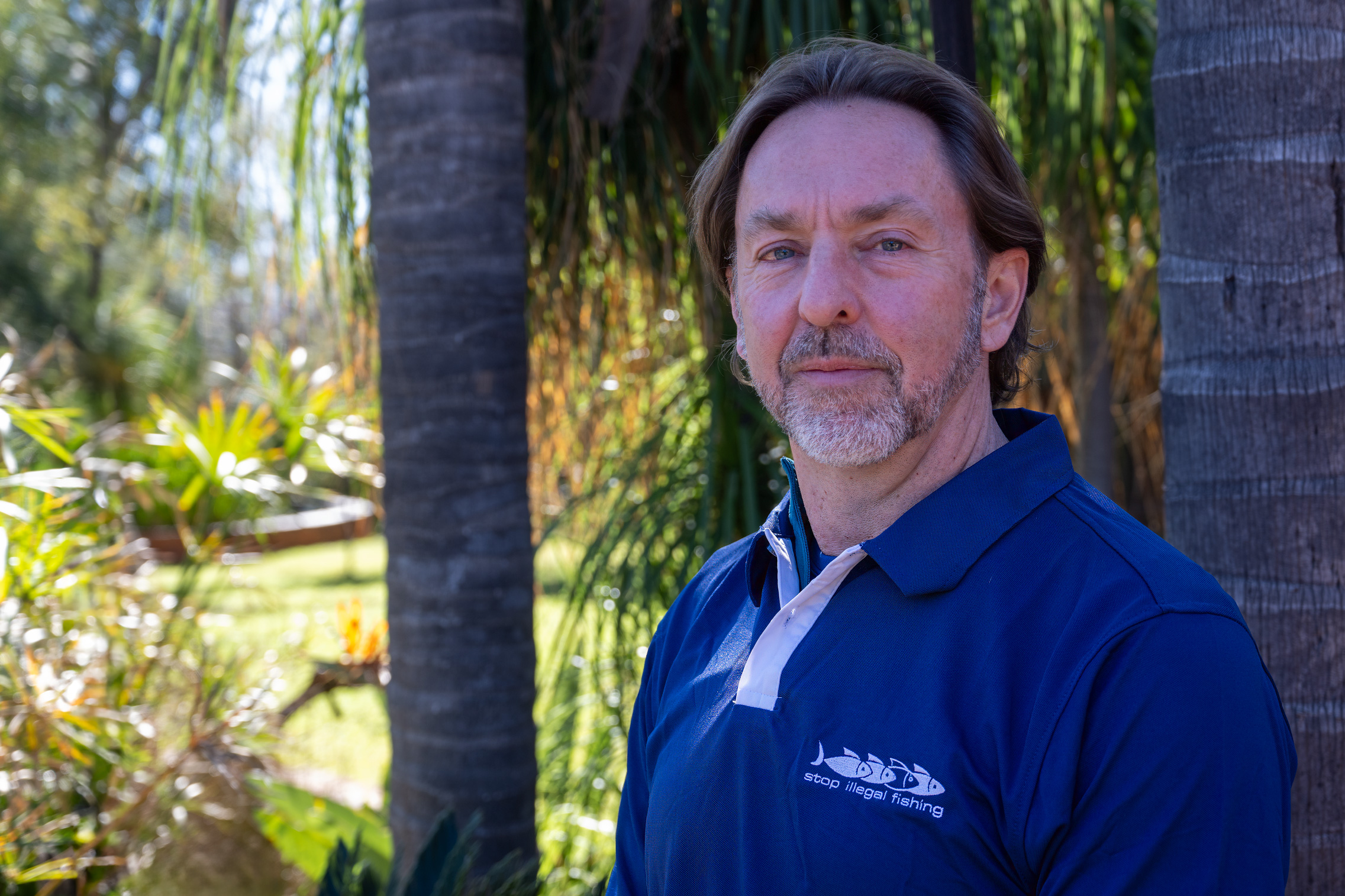
Markus Burgener
Vice‐Chairperson
Markus Burgener is a Senior Programme Coordinator with TRAFFIC Southern Africa, where he has worked for more than 28 years. His expertise covers wildlife trade, marine fisheries trade, policy development, capacity building, research, and behaviour change.
For much of his career, Markus has led TRAFFIC’s marine fisheries trade work in East and Southern Africa. He has implemented projects addressing illegal and unsustainable trade in marine species across countries including Kenya, Namibia, Mozambique, Madagascar, Mauritius, Seychelles, South Africa, and Tanzania. Markus brings strong programme development, project management, and technical supervision experience to Stop Illegal Fishing. He has presented widely at international conferences and meetings and has published work in a number of journals, contributing to improved understanding and action on illegal and unsustainable trade linked to fisheries and natural resources.
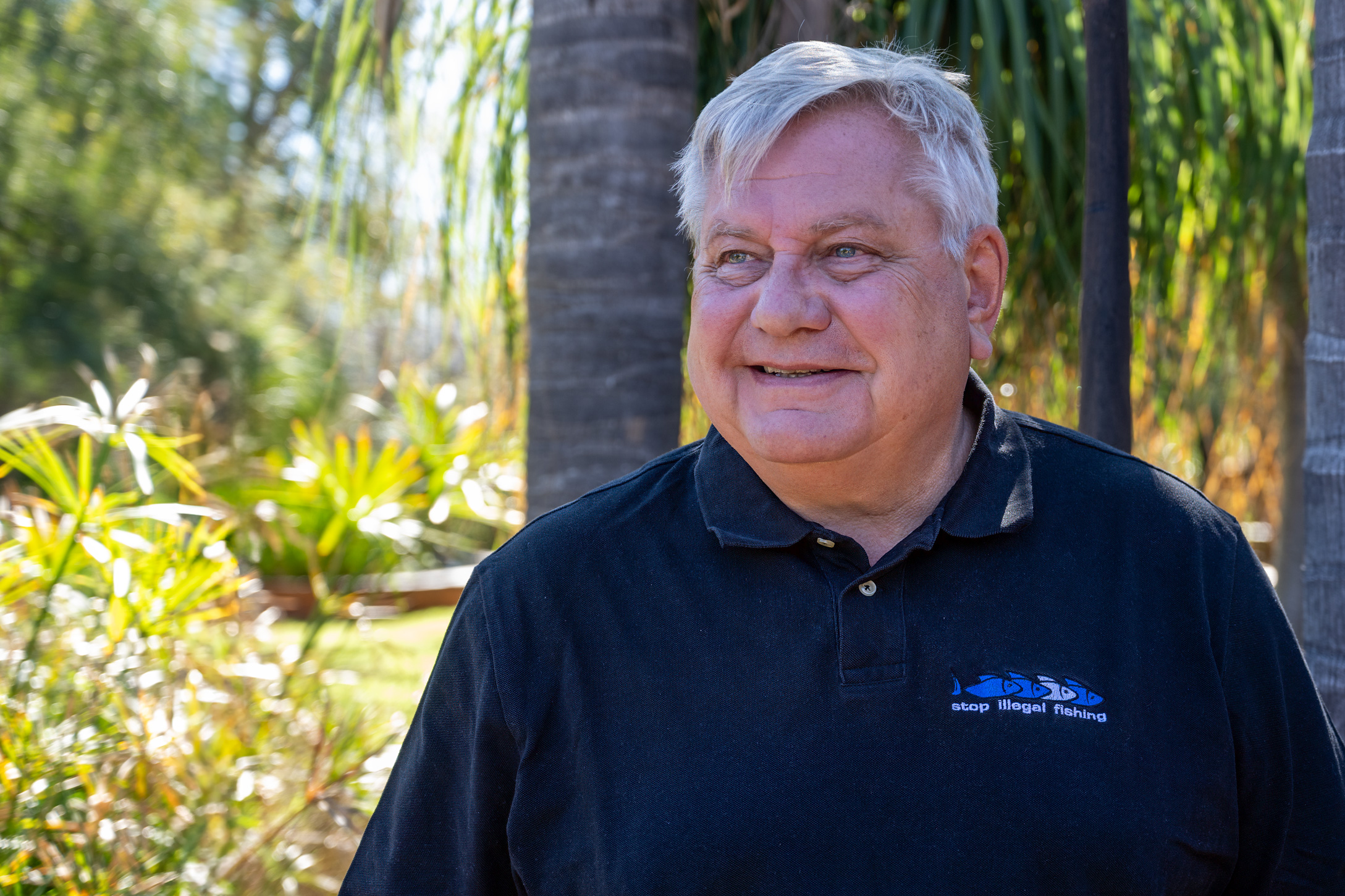
Per Erik Bergh
Secretary
Per Erik Bergh is one of the founding members of Stop Illegal Fishing and serves as Secretary of the organisation. He also leads the SIF Investigative Unit. With more than 40 years of experience in maritime and fisheries work, Per Erik has dedicated his career to supporting fisheries monitoring, control and surveillance and helping enforcement officers bring illegal fishing offenders to justice.
Per Erik’s experience includes service with the Norwegian Coast Guard, extensive international fisheries and maritime work, and more than three decades living and working in Africa. He has worked in more than 50 countries across Africa, Asia, Europe, and the Americas, supporting fisheries management planning, inspector training, investigations, and regional and international negotiations. In 2016, he was awarded The Royal Norwegian Order of Merit, Knight First Class, in recognition of his outstanding contribution to Norway’s international interests and his work to combat illegal fishing.
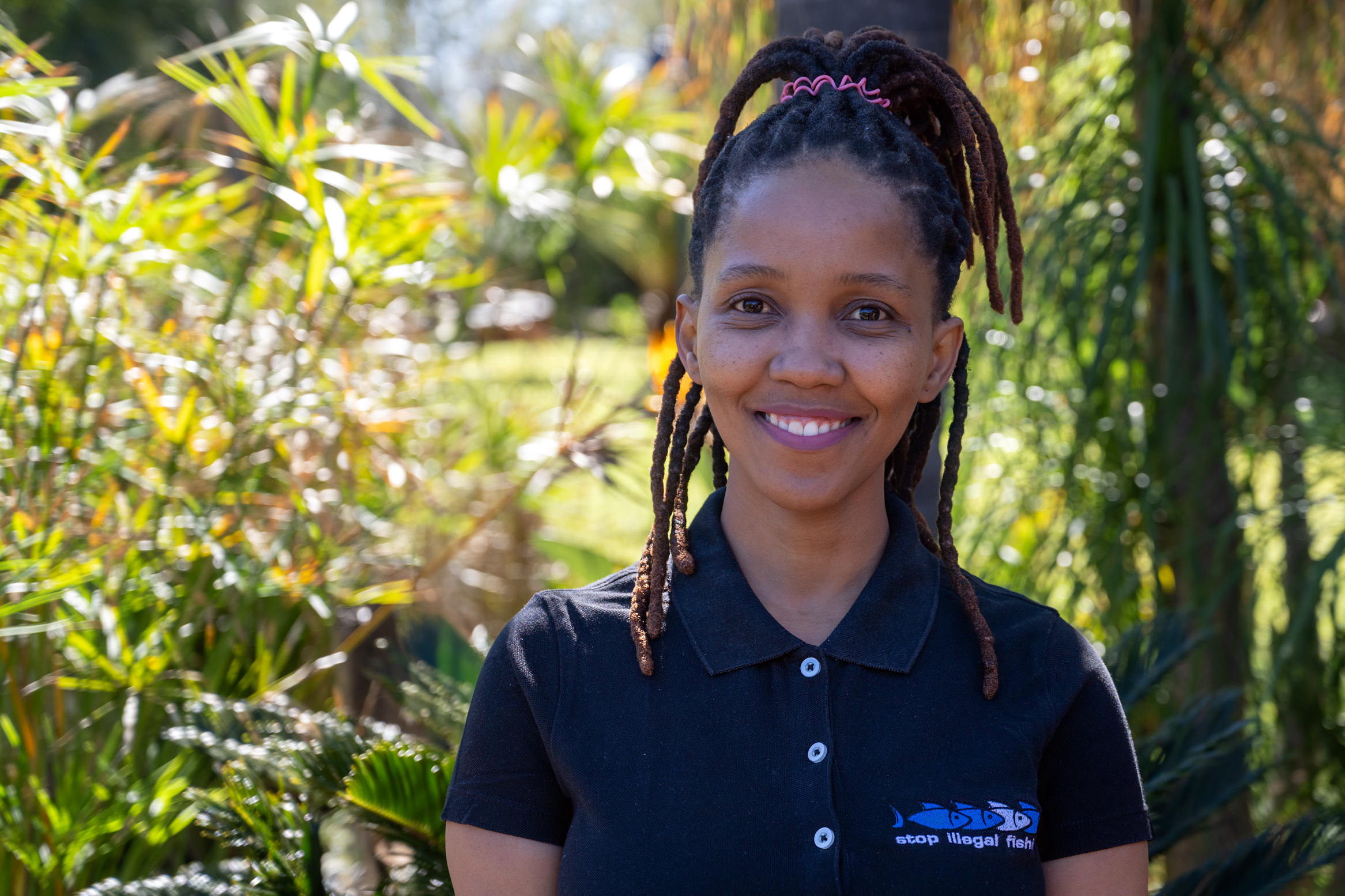
Malebogo Mekgwe
Vice-Secretary
Malebogo Mekgwe is a development professional with experience in international relations, fisheries governance, and regional cooperation. She has contributed to donor-funded programmes and regional initiatives across Southern Africa, supporting institutional capacity building and coordinated responses to illegal, unreported and unregulated fishing.
Through her work with NFDS Africa, Malebogo has supported SADC regional fisheries development processes, contributing to improved transparency, cooperation, and governance among Member States. Her work includes preparing reports, coordinating regional workshops, engaging with international organisations, and assisting programmes linked to the Sustainable Development Goals and climate resilience priorities. She is currently completing a master’s degree in international relations. Malebogo brings a strong commitment to collaborative governance, regional cooperation, and safeguarding fisheries resources for future generations.
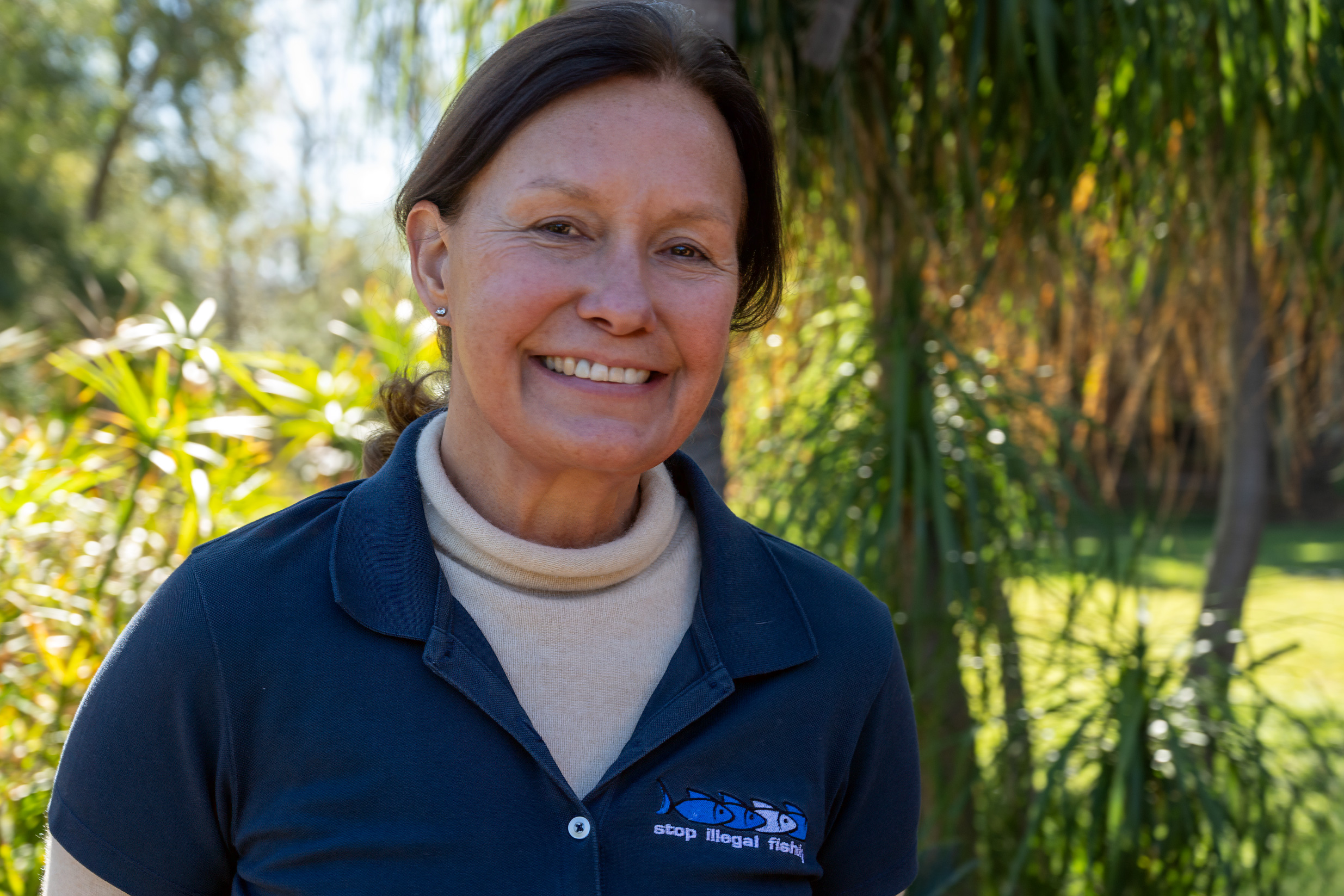
Sandy Davies
Treasurer
Sandy Davies is a founding member of Stop Illegal Fishing and serves as its Treasurer. She has 40 years of experience in international development and fisheries, including three decades living and working in Africa.
Sandy’s fisheries career began in Canada and the South Atlantic, where she worked in fisheries operations, observation, and science. She later moved to Africa, working on inland fisheries research in Nigeria and supporting the establishment of Namibia’s fisheries administration. In 1999, she joined the Southern African Development Community, where she supported negotiation of the SADC Protocol on Fisheries and later managed regional fisheries and aquaculture programmes. Today, Sandy works on fisheries policy, inter-agency dialogue, regional integration, research, and analysis, with a focus on supporting fisheries decision-makers and monitoring, control and surveillance officials to address illegal, unreported and unregulated fishing.
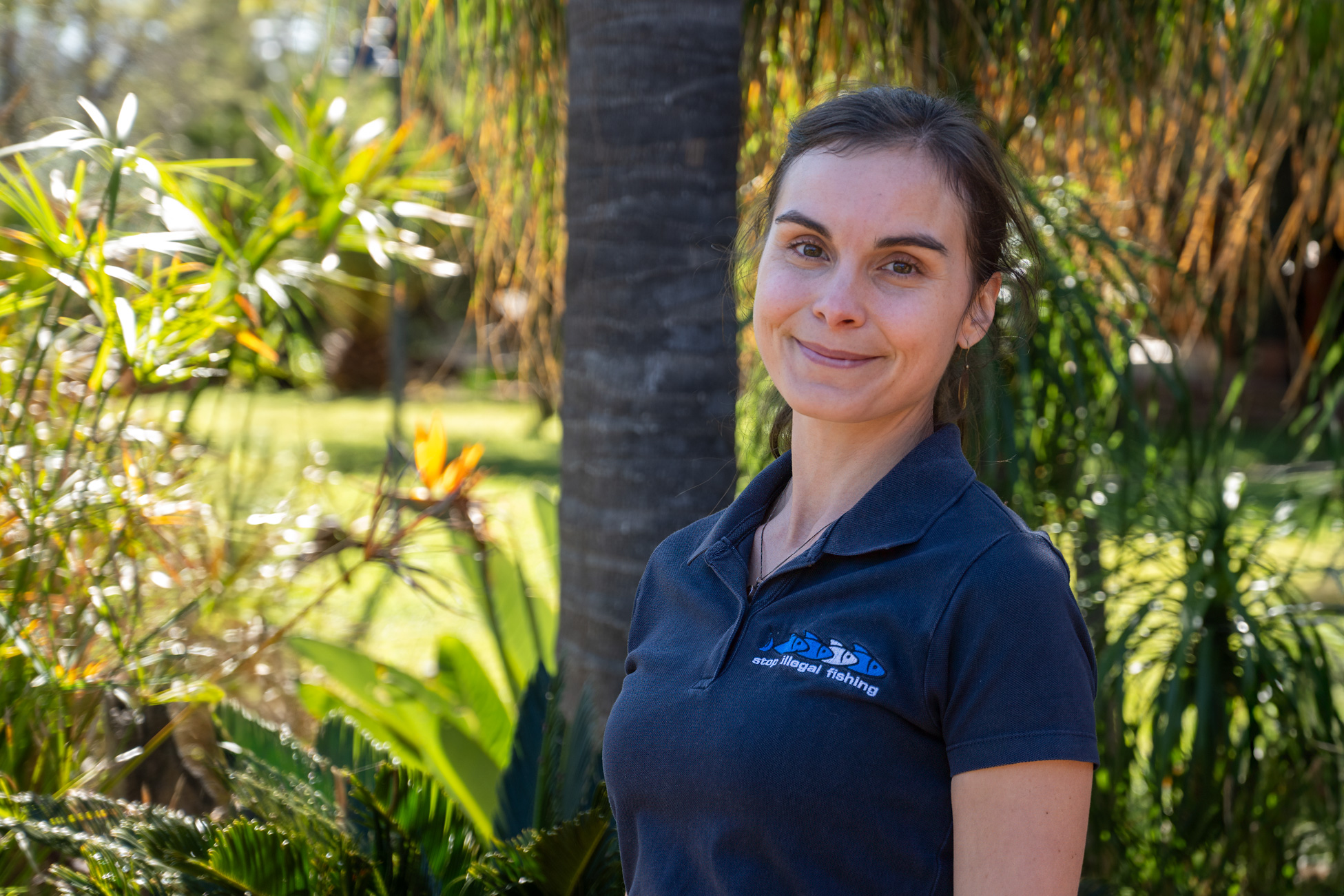
Andréa Durighello
Executive Committee Member
Andréa Durighello has more than 10 years of experience supporting transparent, inclusive, and sustainable fisheries in Africa. Her work has focused on fisheries governance, regional cooperation, capacity building, policy development, and the fight against illegal, unreported and unregulated fishing.
Andréa began working in fisheries in West Africa, including as Regional Coordinator for the Fisheries Transparency Initiative during its early development. She also worked with the Deutsche Gesellschaft für Internationale Zusammenarbeit in Côte d’Ivoire, supporting sustainability and innovation in food value chains and working closely with artisanal fisheries cooperatives, including women-led organisations. With Stop Illegal Fishing, Andréa has supported training for fisheries inspectors, regional monitoring, control and surveillance cooperation, and the development of policy and operational processes for regional MCS centres in the Southern and Western Africa. She has also contributed to FAO studies and research on fisheries governance, trade, capacity, and small-scale fisheries.
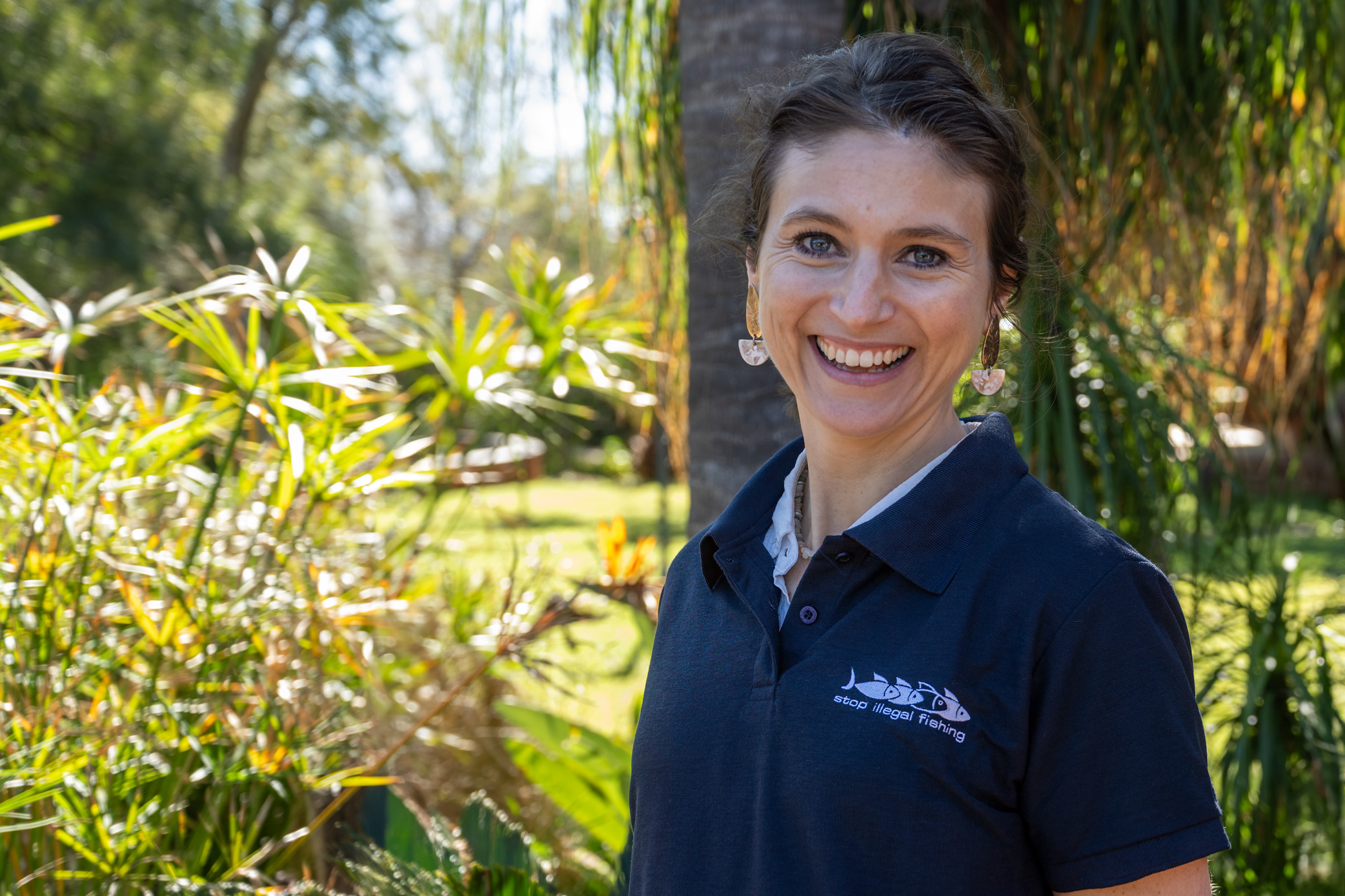
Antonia Fleetwood-Bird
Executive Committee Member
Antonia Fleetwood-Bird is a sustainability professional with 20 years of experience in sustainable resource management, corporate social responsibility, ethical entrepreneurship, research, strategy, communications, and stakeholder engagement.
Antonia worked with Stop Illegal Fishing from 2010 to 2021, through NFDS Africa contributing to analytical reports, policy advice, business development, communications, and partner engagement on issues including illegal fishing and climate change. She has also worked as Sustainability Manager for a Swedish food production company, where she developed sustainability policies, managed supply chain risk, and led reporting and communications. Her previous roles include Programme Officer with the Swedish International Development Cooperation Agency, supporting development programmes in Africa, and consultancy work with the Food and Agriculture Organization of the United Nations on international fisheries policy. Antonia brings strong experience in sustainability, fisheries policy, programme management, and strategic communication.